Have you ever wondered how digital-native brands launch fully developed product lines - from skincare serums to luxury kitchenware - almost overnight? The secret isn't building a factory from scratch. It’s private label manufacturing.
Whether you're an Amazon seller, an e-commerce entrepreneur, or an established retail business expanding your reach, private label manufacturing offers one of the fastest, most scalable pathways to market.
In this guide, we’ll break down what private label manufacturing is, how it works, how it differs from white labeling, and the steps to building your own profitable brand.
What is Private Label Manufacturing?
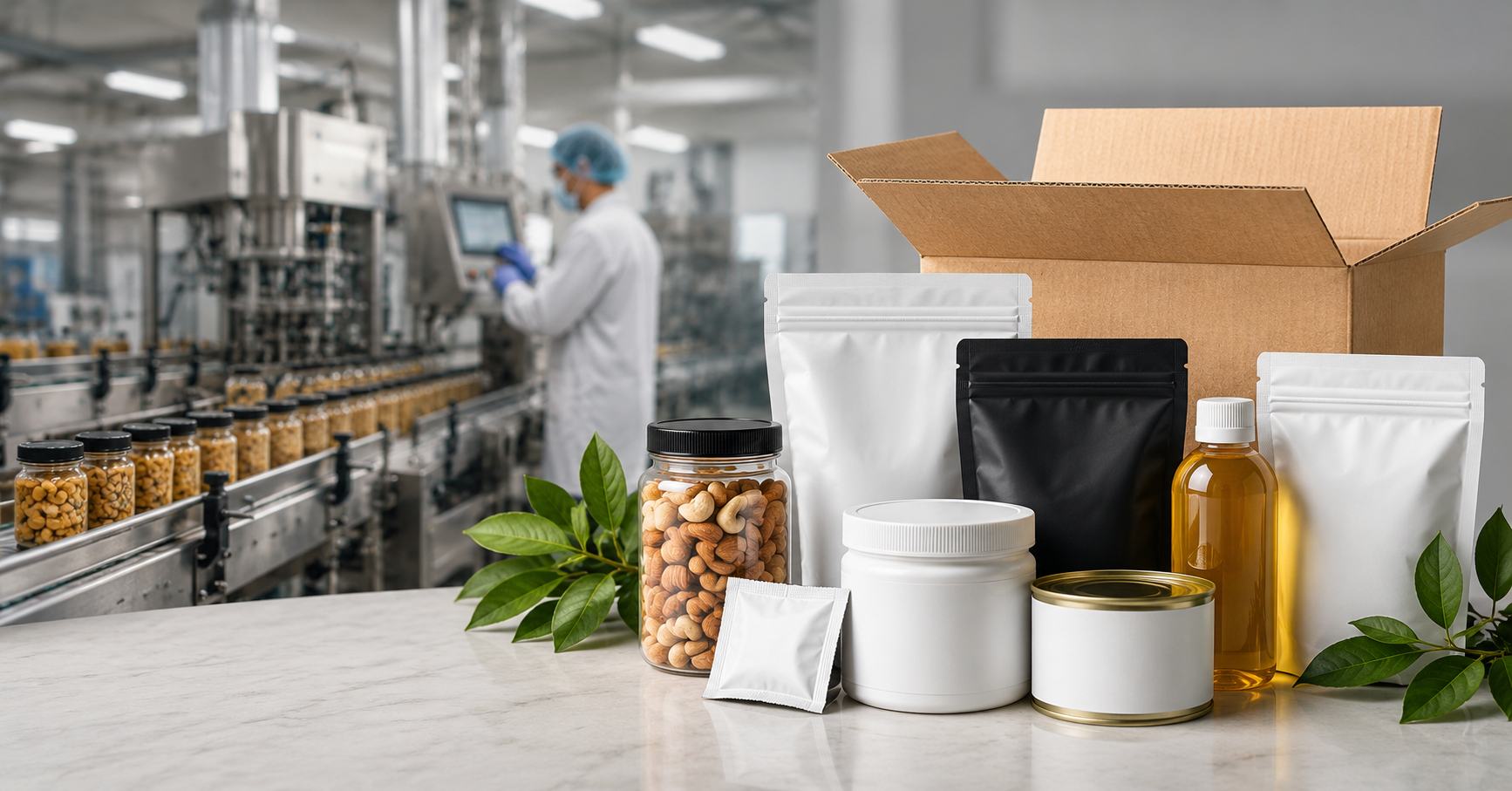
Private label manufacturing is a business setup where a specialized third-party manufacturer produces goods exclusively for a specific retailer or brand owner.
The retailer owns the brand, determines the packaging, controls the pricing, and sells the products exclusively under their own brand name. The manufacturer handles the physical production, sourcing, and initial quality assurance.
Common Private Label Examples
Retail Superstores: Target’s Good & Gather or Kirkland Signature from Costco.
E-Commerce Brands: An Amazon merchant selling custom-designed organic coffee, bamboo bed sheets, or workout gear.
Beauty & Skincare: A boutique launching its own custom-formulated night cream made by an established cosmetics lab.
Private Label vs. White Label: What's the Difference?
These two terms are often used interchangeably, but understanding the distinction is crucial before signing a manufacturing agreement.
FeaturePrivate Label ManufacturingWhite Label ManufacturingCustomizationHigh. Formulations, materials, and designs are tailored specifically for you.Low to None. Standard, off-the-shelf products with simple brand logo placement.ExclusivityExclusive. No other brand gets your exact product specs.Non-Exclusive. Dozens of brands can sell the identical product with different labels.Cost & MOQsHigher upfront investment and Minimum Order Quantities (MOQs).Lower upfront cost and lower MOQs.Time-to-MarketLonger (due to testing, tooling, and custom development).Extremely fast (products are pre-made).
Key Benefits of Private Label Manufacturing
1. Superior Brand Loyalty & Ownership
Instead of reselling established third-party brands where customers can compare prices anywhere online, private labeling gives you 100% control over the brand experience. You build long-term brand equity rather than driving traffic to someone else's product.
2. Full Pricing Control
Because your private label product is unique to your brand, consumers can't directly price-shop it against identical items on Amazon or Google Shopping. This grants you control over product pricing and profit margins.
3. Complete Customization
You dictate the details:
Ingredients or materials
Functional features and dimensions
Unboxing experience and custom packaging
Target market positioning
4. High Profit Margins
By eliminating middlemen and sourcing directly from the manufacturer, your cost per unit drops significantly—giving you healthier margins to reinvest in digital marketing and scale.
Steps to Launch a Successful Private Label Product
1. Market Research --> 2. Find Manufacturer --> 3. Order Samples --> 4. Design Branding --> 5. Launch
Step 1: Conduct Thorough Market & Product Research
Identify a gap in the market. Look for product categories with high demand, steady search volume, and common customer complaints in customer reviews that you can solve with custom manufacturing.
Step 2: Source & Qualify Manufacturers
Find reliable suppliers using platforms like Alibaba, ThomasNet, or specialized local manufacturing directories. When vetting suppliers, verify:
Their experience in your specific niche
Factory certifications (e.g., ISO, FDA approval, organic certifications)
Minimum Order Quantities (MOQs) and lead times
Step 3: Request Samples & Test Rigorously
Never place a bulk production order without testing samples first. Check for build quality, durability, material feel, and packaging resilience.
Step 4: Finalize Custom Packaging & Branding
Invest in professional graphic design for your packaging and labeling. In a crowded marketplace, the visual presentation often makes or breaks a consumer's first purchase decision.
Step 5: Place Production Order & Arrange Logistics
Negotiate production schedules, establish quality inspection protocols with third-party inspectors before shipping, and select freight forwarding partners.
Challenges to Keep in Mind
While private label manufacturing offers massive potential, smart business owners prepare for risks:
Upfront Capital Requirements: Custom production runs require higher initial capital compared to dropshipping or white-labeling.
Lead Time Management: Sourcing, manufacturing, customs clearance, and freight shipping require careful supply chain planning.
Inventory Risk: Holding unsold stock ties up cash flow if sales velocity misses projections.
Final Thoughts: Is Private Labeling Right for You?
If you are looking to build a sustainable, long-term brand with unique product offerings and strong profit margins, private label manufacturing is one of the most effective business strategies available today.
By pairing a unique product vision with an experienced manufacturing partner, you can compete with industry leaders without needing to build your own production lines.